“‘The Street Child’ is the first classic film of Argentinean director Hector Babenco to gain international fame. It is one of the best Brazilian films of the 1980s, nominated for the Golden Globe Award for Best Foreign Language Film in 1982 and many other international film awards”.
The prostitute: “he was nice”.
Pixote: “I know, but he was dead”.

It wasn’t his friend who was framed and killed by law enforcement or boarding school defenders, or he accidentally shot the last friend and left himself alone, or lilica on the beach talking in the sunset: “I’m not like you guys, I don’t have a future, I’m just a queer, they’ll always ride on me” are the saddest parts.
It is the day after they repeat these experiences, but the rest of the people go on with their lives and continue to be lied to by adults, or robbed and extorted. The dead people, as if they had just disappeared, were left behind.
Until he mistakenly killed his last friend and vomited with no facial expression after several words with the prostitute at the first. The prostitute holds him, comforts him, begs him to live with her, and he kisses her like she’s his own mother. Remember, he’s not even ten years old. But she wanted to rely on more than she love, and after a moment, she told him to go away, and he resisted, sat up, turned and looked at her, turned again and dressed silently, put away his gun and left.
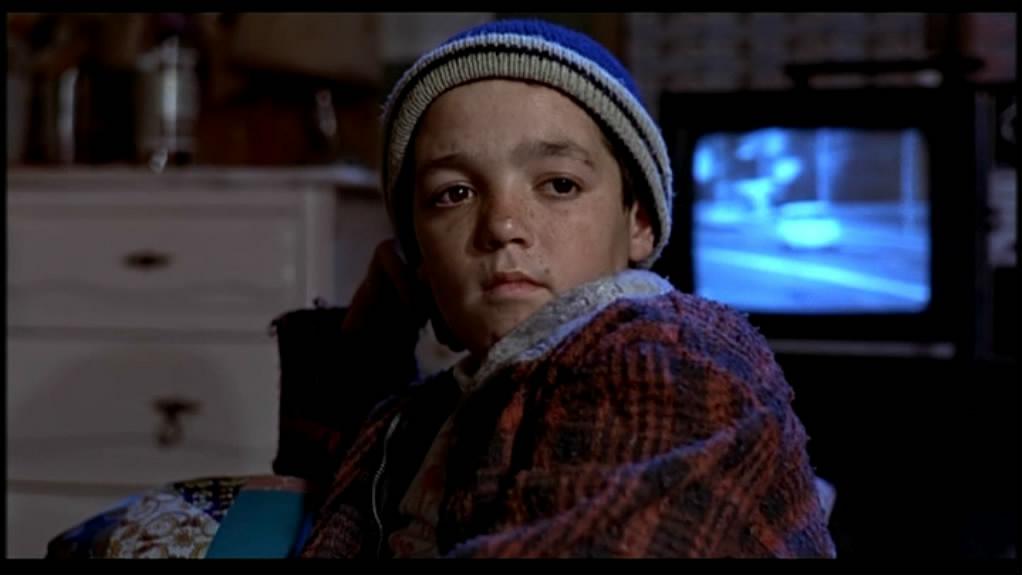
The protagonist boy was shot dead by the police at the age of 19 at his home for a crime. All of the leads in the film are real street kids the director sought out on the streets of Brazil, and every person and detail is exceptionally real.
According to research, 20 years before 2002, Police in San Paulo killed at least 11,262 people.
The movie was seen on the subscription site of the criterion channel, Martin Scorsese’s recommended list of world movies.
 influencers.design.blog